Good health starts in the gut. The digestive system doesn’t just process food. It affects immunity, energy, and even mood. By selecting ingredients and gut health recipes that support your microbiome, you can naturally enhance digestion and experience improved overall well-being.
Cooking for your gut isn’t about restriction; it’s about balance, diversity, and nurturing the beneficial bacteria that keep your system running smoothly.
Understanding Gut Health
Your gut is home to trillions of microorganisms, collectively known as the microbiome, which play a vital role in breaking down food, absorbing nutrients, and regulating inflammation. When that balance is disrupted by stress, poor diet, or lack of fiber, you may experience bloating, fatigue, or digestive discomfort.
Supporting your gut means feeding it the right kinds of foods, which should include fiber-rich plants, probiotics, and prebiotics. Together, they promote the growth of beneficial bacteria that enhance digestion and overall well-being.
For insights on spotting gut-impacting ingredients, learn How to Read Food Labels Like a Nutritionist.
Fiber: The Unsung Hero of Digestion
Fiber helps keep your digestive system functioning properly and provides fuel for the bacteria that live in your gut. There are two types: soluble (which helps absorb cholesterol and slow digestion) and insoluble (which adds bulk and promotes regularity).
Add fiber-rich foods like:
- Oats, barley, and whole grains
- Lentils, chickpeas, and black beans
- Apples, pears, and berries
- Leafy greens and cruciferous vegetables like broccoli and kale
Aim to include both types of fiber in every meal for optimal gut support.
For more inspiration, check out Mediterranean Diet Staples You Should Keep in Your Pantry.
Probiotic-Rich Foods
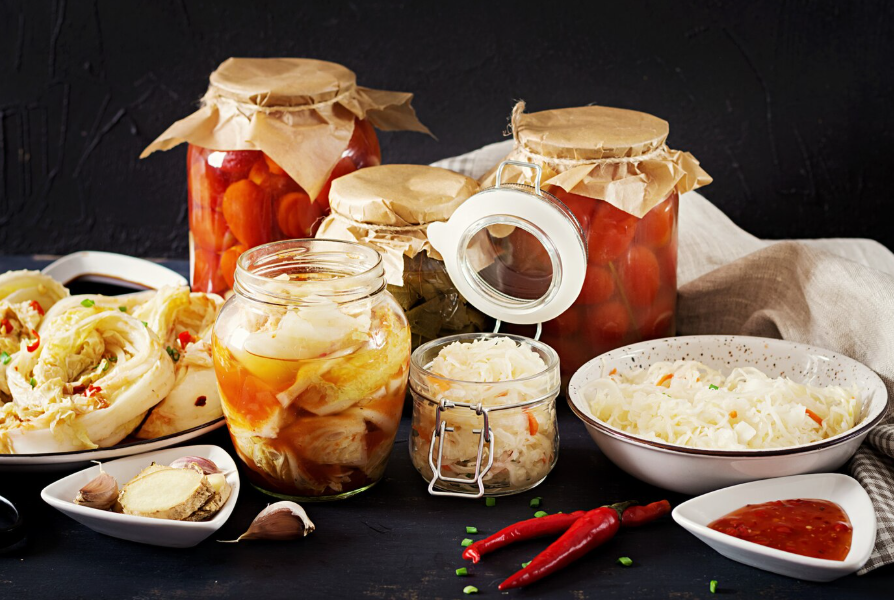
Probiotics are live bacteria that help restore balance in the gut. They’re naturally found in fermented foods and can improve digestion, reduce bloating, and enhance nutrient absorption.
Add these probiotic powerhouses to your meals:
- Yogurt with live cultures
- Kefir (fermented milk drink)
- Sauerkraut and kimchi
- Miso and tempeh
- Kombucha (fermented tea)
Try pairing these foods with plant-based meals for an easy daily boost. For example, add kimchi to grain bowls or a spoonful of sauerkraut to sandwiches.
Prebiotics: Feeding Your Good Bacteria
While probiotics introduce beneficial bacteria, prebiotics nourish the ones already present. These indigestible fibers help support and nurture your microbiome, allowing it to thrive and multiply.
Top prebiotic-rich foods include:
- Garlic, onions, and leeks
- Bananas and apples
- Asparagus and Jerusalem artichokes
- Whole oats and flaxseeds
Cooking with both probiotics and prebiotics, for example, yogurt-based dressings with garlic or oatmeal topped with bananas, creates the perfect balance for a healthy gut.
For simple ingredient upgrades, explore Healthy Swaps for Everyday Ingredients (That Still Taste Great).
Sample Gut-Friendly Recipes
- Overnight Oats with Berries and Flaxseed: Packed with fiber, antioxidants, and omega-3s to start your day right.
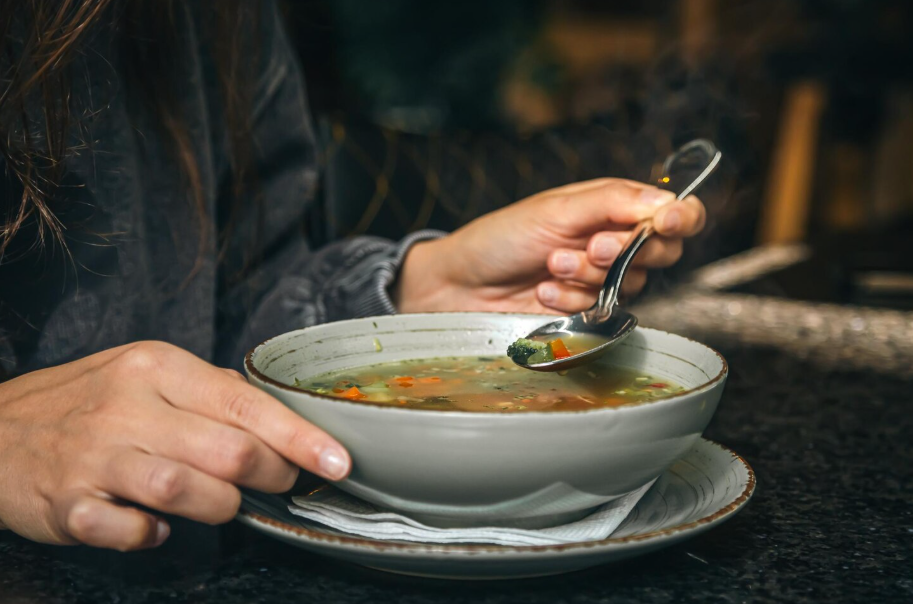
- Miso Vegetable Soup: A soothing blend of fermented miso, tofu, and vegetables that supports digestion and immunity.
- Roasted Chickpea and Kale Salad: Combines fiber and plant protein with prebiotic greens.
- Greek Yogurt Parfait with Honey and Banana: A probiotic-rich treat that nourishes good bacteria while satisfying your sweet tooth.
To help you slow down and tune in, read Mindful Eating: Turning Meals Into Meditation.
Building a Gut-Healthy Lifestyle
Gut health isn’t just about food; it’s also about routine. Stay hydrated, manage stress, and eat mindfully to support your digestive system’s optimal function. Variety matters too; the more diverse your diet, the more varied and resilient your gut microbiome becomes.
Cooking for gut health is about long-term nourishment, not quick fixes. With the right ingredients and habits, every meal can help you feel lighter, energized, and balanced from the inside out.