Cooking oils are more than just a means to prevent sticking. They’re crucial to flavor, texture, and even nutrition. Choosing the best cooking oils for frying, sautéing, and baking can mean the difference between golden perfection and a smoky disaster.
Every oil has a unique smoke point, flavor profile, and best use. Once you understand these factors, you’ll cook more confidently and get consistently better results.
Understanding Smoke Points
The smoke point is the temperature at which oil begins to smoke and break down, producing bitter flavors and releasing harmful compounds. For high-heat cooking, you need an oil that can handle the temperature without burning.
- High smoke point (400°F or higher): Ideal for frying, searing, and stir-frying. Examples include avocado oil, refined peanut oil, grapeseed oil, and canola oil.
- Medium smoke point (325°F–400°F): Great for sautéing or roasting. Olive oil and sunflower oil fall into this category.
- Low smoke point (below 325°F): Best for drizzling, dressings, and baking. Flaxseed, walnut, and unrefined coconut oil are flavorful but sensitive to heat.
Always heat oil gradually. Sudden high heat can make even sturdy oils degrade faster than expected.
For additional insights on cooking techniques, see The Difference Between Sautéing, Pan-Frying, and Stir-Frying.
Oils for Frying and Searing
When frying or searing, stability under heat is key. Avocado oil leads the pack with one of the highest smoke points, plus it’s rich in heart-healthy monounsaturated fats. Peanut oil is another classic for frying. It’s neutral in flavor and delivers a crisp, golden crust.
Canola oil and grapeseed oil are excellent budget-friendly options for pan-frying or deep-frying. They maintain stability and won’t overpower your dish’s flavor. If you’re looking for a subtle, nutty touch, refined sesame oil works beautifully in Asian-inspired stir-fries. Avoid unrefined or flavored oils for frying. They burn quickly and can make your food taste acrid.
Check out The Science of Searing: How to Lock in Flavor Like a Pro for tips on getting the perfect crust.
Oils for Sautéing and Everyday Cooking
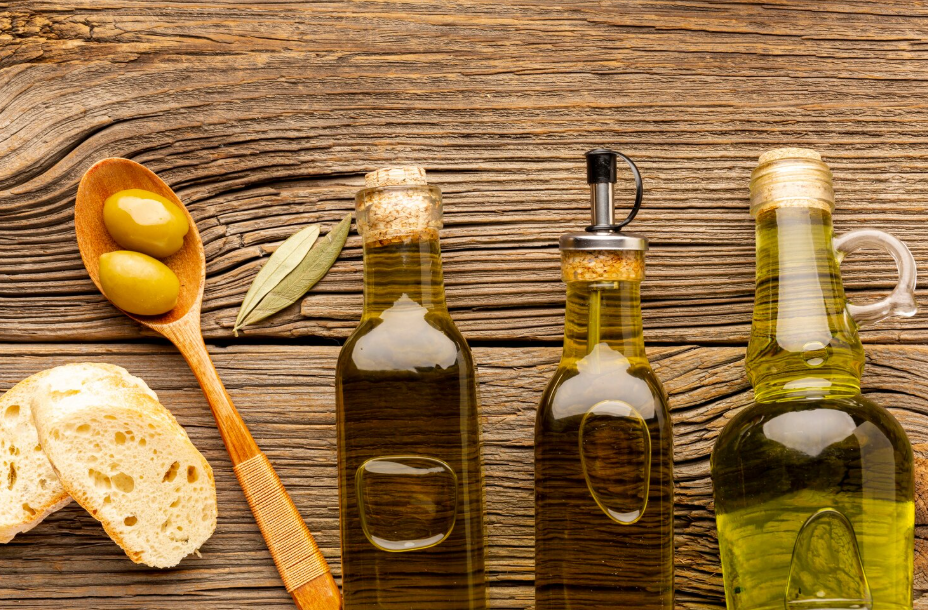
For moderate heat cooking, olive oil is a staple in the kitchen. Its rich, fruity flavor enhances vegetables, grains, and meats. Use extra-virgin olive oil (EVOO) for low to medium heat or finishing dishes. For sautéing, a light or refined olive oil performs better, as it tolerates higher heat.
Coconut oil adds a hint of sweetness and works well with tropical, curry, or baking recipes. Sunflower oil and safflower oil are mild, making them suitable choices for all-purpose use in sautéing and roasting vegetables without altering their flavor.
Oils for Baking and Dressings
Baking often benefits from neutral oils that don’t interfere with sweet flavors. Canola, vegetable, and light olive oil are great for cakes and muffins. For recipes that welcome richness, melted coconut oil or avocado oil adds moisture and subtle complexity.
For dressings and drizzles, flavor-forward oils shine. Extra-virgin olive oil pairs well with herbs and balsamic vinegar, while walnut and flaxseed oils bring an earthy depth to salads and roasted vegetables. Always store these delicate oils in a cool, dark place to prevent rancidity.
Read The Ultimate Guide to Spices: From Mild to Wild for inspiration on pairing bold oils and spices.
Finding Your Perfect Match
There’s no single best oil—only the best one for each purpose. Match smoke point to cooking method, flavor to cuisine, and quality to your budget. Keeping two or three versatile oils on hand, such as olive, avocado, and canola, will cover nearly all cooking needs.
Once you understand how oils behave under heat, you’ll approach recipes with greater precision and creativity. The right oil doesn’t just cook your food; it elevates it.