
Meal prepping isn’t just for fitness enthusiasts or busy professionals. Simple meal prep tips can help anyone save time, reduce stress, and eat healthier throughout the week.
By planning, you can enjoy balanced, home-cooked meals every day without scrambling for ingredients or resorting to takeout. All it takes is a little strategy and a few hours of focused effort.
Why Meal Prepping Works
Meal prepping simplifies your routine by consolidating daily cooking into a single, streamlined session. When you prepare food in advance, you:
- Save money by buying ingredients in bulk.
- Reduce food waste by using what you have efficiently.
- Control portions and nutrition more easily.
- Eliminate the “what’s for dinner?” dilemma.
It’s a system that rewards consistency. Once you get in the rhythm, your week flows more smoothly.
For quick ideas you can plug straight into your plan, see 15-Minute Meals for Busy Weeknights.
Step 1: Plan Before You Cook
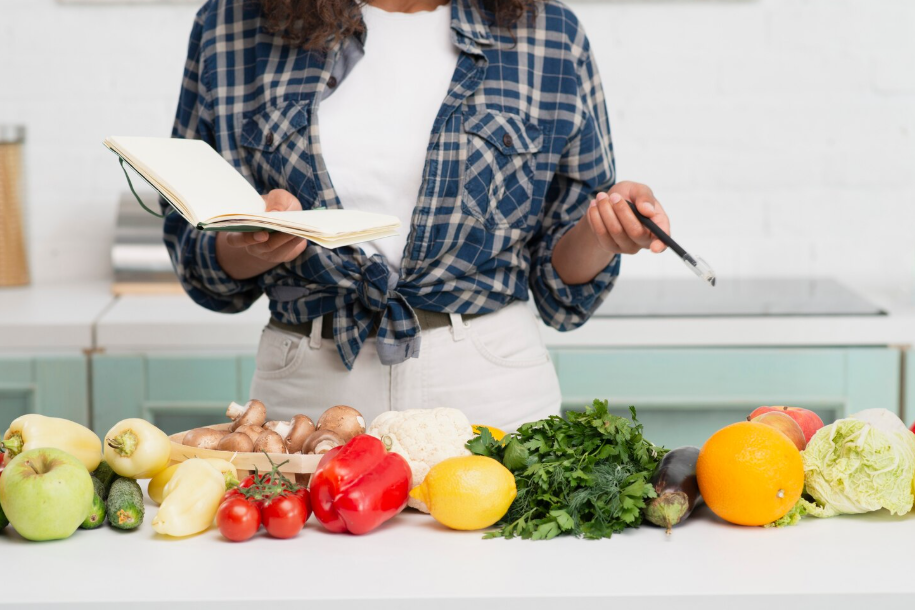
The secret to successful meal prep is organization. Start by deciding how many meals you want to prepare, such as breakfasts, lunches, dinners, or snacks, and how long they need to last.
- Pick recipes that share ingredients. This minimizes shopping and cooking time.
- Aim for variety. Select meals with a variety of proteins, textures, and flavors to prevent boredom.
- Make a detailed grocery list. Group items by category (produce, grains, proteins, pantry staples) for faster shopping.
If you’re new to meal prepping, start with small steps. Begin with a few lunches or dinners per week to find your rhythm.
To make planning even easier, check out Pantry Organization Tips That Save Time and Money.
Step 2: Batch Cooking Basics
Dedicate one day, often Sunday, to cooking and portioning meals. Cook grains, proteins, and vegetables in large batches, then mix and match throughout the week.
- Proteins: Grill chicken, bake tofu, or roast fish in bulk.
- Grains: Prepare rice, quinoa, or pasta ahead of time and store separately.
- Vegetables: Roast, steam, or sauté a variety to mix into different dishes.
Use versatile seasonings that can pair well across meals, such as olive oil, lemon, garlic, and herbs.
If chopping slows you down, check out Knife Skills 101: How to Slice, Dice, and Mince Like a Chef.
Step 3: Portion and Store
Divide your meals into individual containers for grab-and-go convenience. Use glass or BPA-free plastic containers with tight lids, and label them with the date and meal type.
- Refrigerate: Cooked meals typically last 3–4 days.
- Freeze: For more extended storage, freeze items like soups, stews, or casseroles in freezer-safe containers.
Keep sauces and dressings separate until ready to eat to prevent sogginess.
Step 4: Reheat the Right Way
Reheat meals gently to preserve texture and flavor.
- Microwave: Add a splash of water or broth to grains and proteins to prevent drying out.
- Oven or skillet: Use for items like roasted vegetables or baked dishes to restore crispness.
Avoid reheating more than once, as this can degrade flavor and quality.
See Five Ways to Use Leftover Chicken Creatively for leftover recipe inspiration.
Step 5: Keep It Interesting
Meal prepping doesn’t have to mean eating the same thing every day. Minor tweaks can make familiar dishes feel new: switch sauces, add fresh herbs, or change side dishes midweek. Having a few staple recipes, such as burrito bowls, grain salads, or stir-fries, gives you the flexibility to customize without extra effort.
Making Meal Prep a Habit
The key to long-term success is consistency, not perfection. Even prepping part of a meal, such as chopping vegetables or cooking grains, can save time later. Over time, you’ll learn how much to prep, what reheats best, and which meals keep you satisfied.
Meal prepping is ultimately about freeing up your time while still enjoying healthy, home-cooked food. With a bit of planning, your fridge becomes a treasure chest of ready-made meals, and mealtime stress becomes a thing of the past.