Cooking with seasonal produce is one of the simplest ways to make your meals more flavorful, affordable, and nutritious. When fruits and vegetables are in season, they’re harvested at peak ripeness, resulting in a better taste, higher nutrient content, and often a lower price.
Learning what’s fresh each month helps you plan meals that feel both creative and in sync with nature’s rhythm.
Why Seasonal Eating Matters
Seasonal produce isn’t just a trend; it’s how humans have cooked for centuries. Eating with the seasons supports local farmers, reduces your carbon footprint, and ensures your food spends less time in transit. Because it’s fresher, it often requires less seasoning or effort to taste incredible.
The shift in available ingredients also encourages variety in your diet. You’ll naturally eat lighter, refreshing foods in summer and hearty, warming ones in winter. This balance benefits both your health and your wallet.
See The Eco-Friendly Kitchen: Reducing Waste While You Cook for insight on a lower-waste kitchen.
Spring: Fresh and Green
Spring is all about renewal, and the produce reflects that—bright, crisp, and full of flavor.
- Vegetables: Asparagus, peas, artichokes, radishes, spinach, and tender greens.
- Fruits: Strawberries, cherries, and apricots begin to appear.
Try tossing roasted asparagus with lemon and olive oil or making a salad with baby spinach and fresh berries. These ingredients pair beautifully with light proteins, such as chicken or fish.
Check out Cooking with Herbs: How to Maximize Flavor Naturally for easy ways to mix and match herbs.
Summer: Sweet and Vibrant
Summer’s bounty brings juicy, colorful ingredients perfect for salads, grilling, and chilled dishes.
- Vegetables: Tomatoes, zucchini, corn, bell peppers, cucumbers, and eggplant.
- Fruits: Peaches, nectarines, melons, and berries of all kinds.
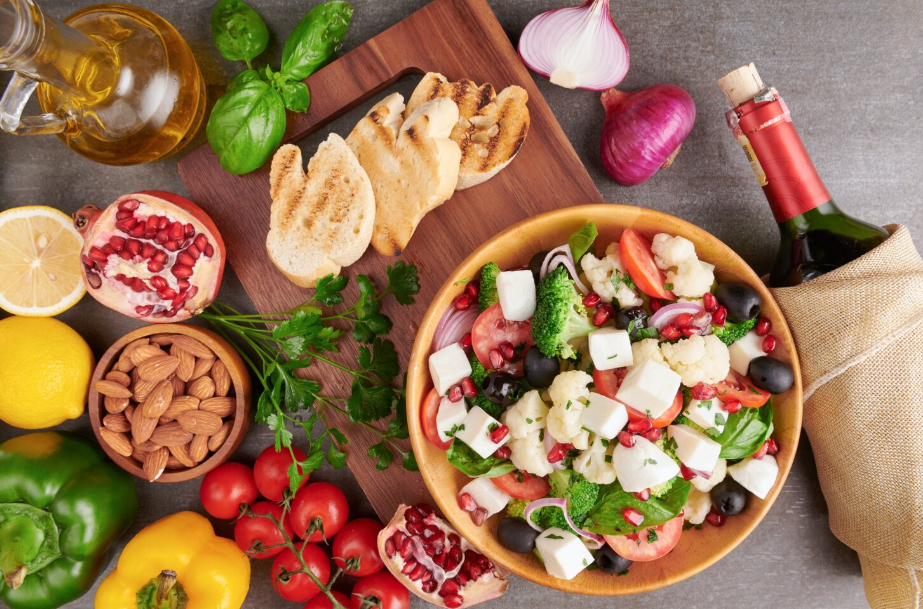
This is the season for caprese salads, grilled vegetable skewers, and fruit-forward desserts. Use fresh herbs like basil and mint to enhance the natural sweetness of your produce.
Fall: Earthy and Comforting
As temperatures cool, produce takes on deeper, earthier flavors ideal for roasting and soups.
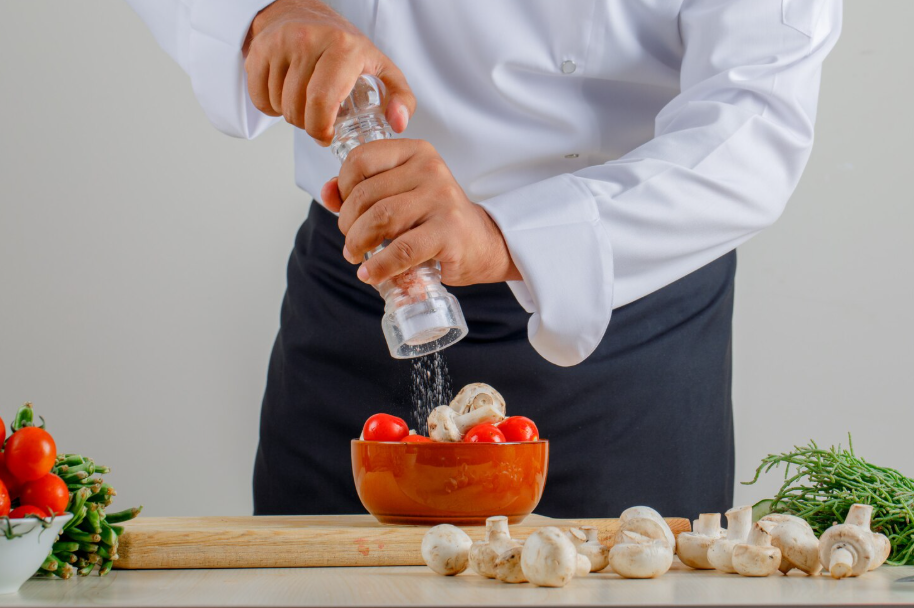
- Vegetables: Squash, pumpkins, carrots, sweet potatoes, Brussels sprouts, and mushrooms.
- Fruits: Apples, pears, figs, and cranberries.
Make a roasted vegetable medley with olive oil and rosemary, or simmer a butternut squash soup with a touch of nutmeg. Fall ingredients bring warmth and comfort to the table.
See Pantry Organization Tips That Save Time and Money for simple ways to store fall produce.
Winter: Hearty and Resilient
Winter produce may seem limited, but it’s packed with nutrients and flavor when used creatively.
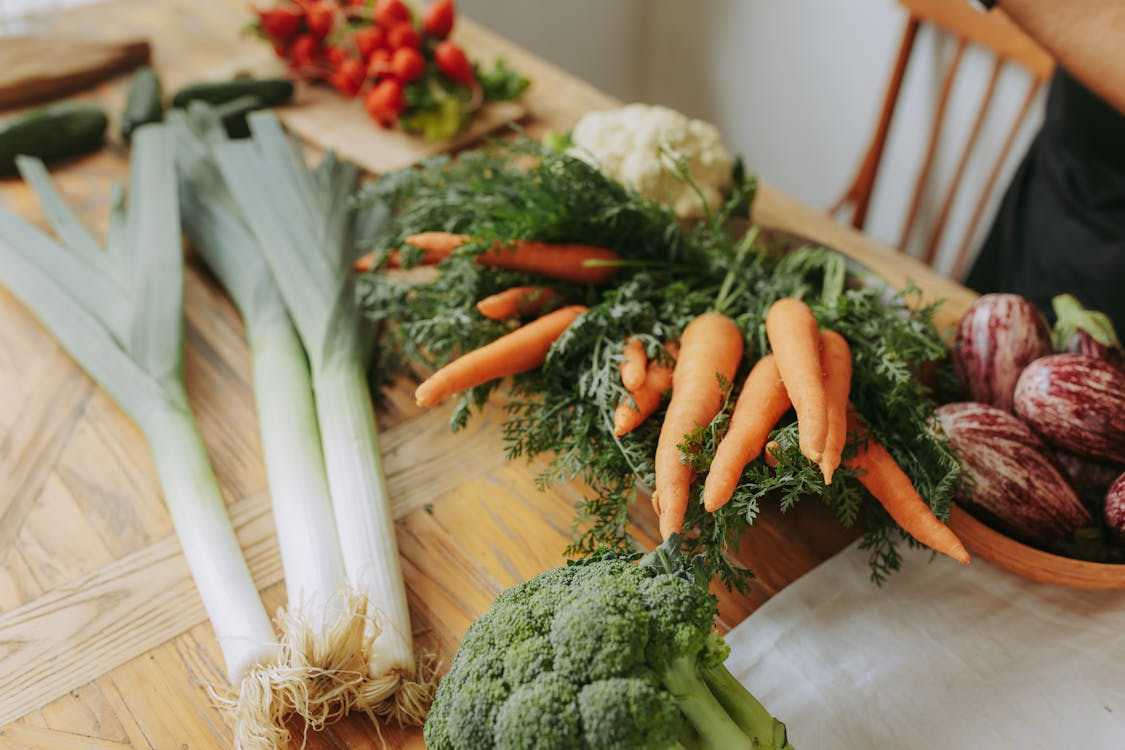
- Vegetables: Kale, cabbage, leeks, beets, and cauliflower.
- Fruits: Oranges, grapefruits, pomegranates, and persimmons.
Roast root vegetables for caramelized sweetness or make a citrus salad with pomegranate seeds for brightness. These ingredients add color and life to even the coldest months.
For a month-by-month snapshot of what’s in season, the USDA’s Seasonal Produce Guide is a handy reference
How to Cook Seasonally Year-Round
Get to know your local farmer’s market. It’s the best way to see what’s in season near you. Plan your meals around what looks best that week, rather than shopping for specific recipes. If fresh produce isn’t available, frozen fruits and vegetables are excellent backups; they’re picked at peak ripeness and preserve nutrients well.
Seasonal cooking isn’t about strict rules. It’s about connection. Each month offers new flavors and textures to explore. By cooking with what’s fresh, you’ll bring variety to your kitchen, reduce waste, and rediscover the joy of simple, natural food.