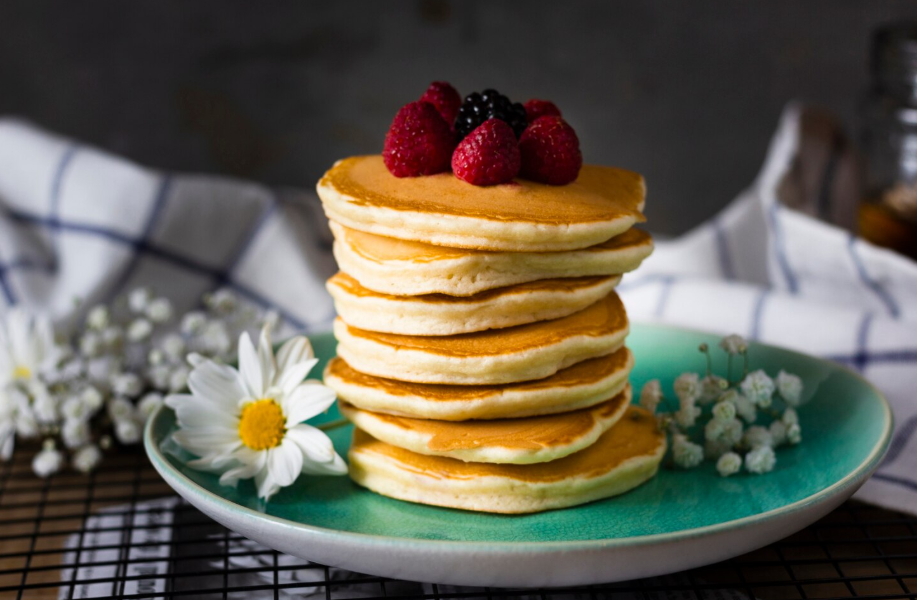
Perfect pancakes aren’t just about taste. They’re about texture. If you want to understand how to make fluffy pancakes consistently, that irresistible combination of golden edges and a soft, cloudlike interior depends on a few key techniques and ingredient ratios.
Whether you make them from scratch or tweak a mix, mastering the science behind fluffiness will give you perfect pancakes every single time.
The Science of Fluffiness
Fluffy pancakes rise due to leavening, forming tiny bubbles created by baking powder, baking soda, or a combination of both. When these react with heat and moisture, they release carbon dioxide, which expands inside the batter and lifts it as it cooks. Too little leavening, and your pancakes will be dense; too much, and they’ll taste bitter or collapse after cooking.
For most recipes, use about one tablespoon of baking powder per cup of flour. If your recipe includes buttermilk or another acidic ingredient, use a portion of baking soda to balance the acidity and help with browning. Always mix your dry ingredients thoroughly before adding wet ones to ensure even leavening.
Explore What the World Eats in the Morning to know how cultures turn ingredients into morning favorites.
Don’t Overmix the Batter
One of the most common mistakes when making pancakes is overmixing the batter. When flour is combined with liquid, gluten begins to form, creating elasticity. For tender, fluffy pancakes, you want just enough gluten to hold everything together, and no more.
Stir the batter only until the dry ingredients are incorporated. A few small lumps are perfectly fine and will disappear as the pancakes cook. Let the batter rest for 5–10 minutes before pouring. It allows the flour to hydrate fully, giving the leavening a head start.
For more on baking at home, learn How to Bake Bread Without Fear (and Without a Bread Machine).
The Right Heat and Timing
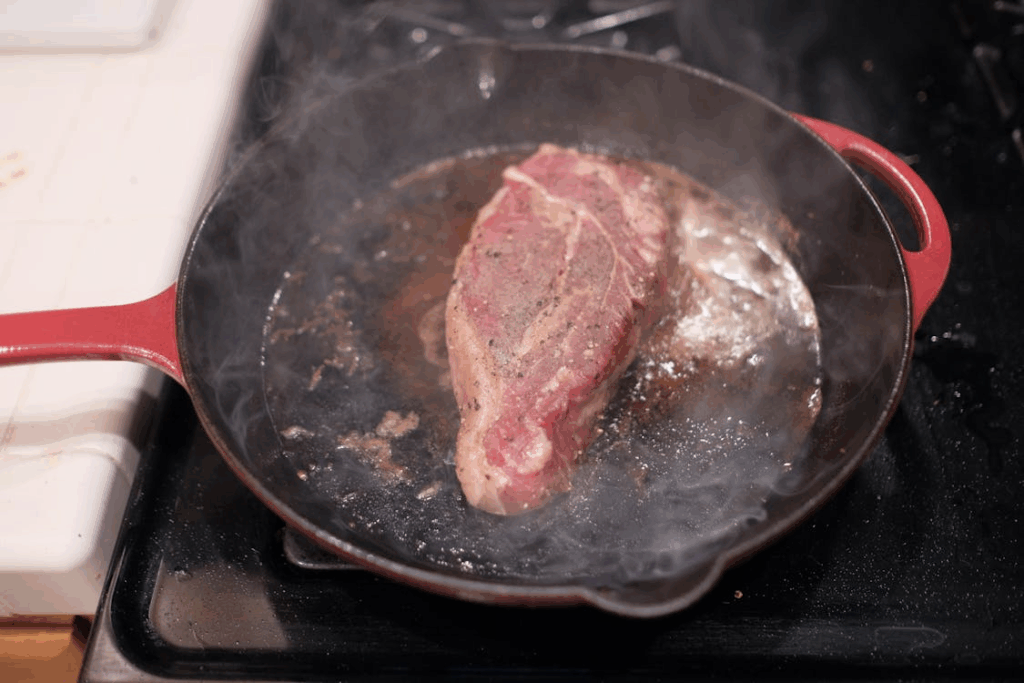
Cooking temperature can make or break your pancakes. Medium heat is the sweet spot—hot enough to brown the outside but gentle enough to cook the inside through. Preheat your pan or griddle for a few minutes before starting; a drop of water should sizzle and evaporate slowly.
Grease the surface lightly with butter or oil, then pour about ¼ cup of batter per pancake. When bubbles form on top and the edges look slightly set, it’s time to flip—usually after 2–3 minutes. Cook the second side just until golden brown.
Ingredient Tips for Extra Lift and Flavor
- Buttermilk adds tang and reacts with leavening for extra rise. If you don’t have any, mix one tablespoon of lemon juice or vinegar with 1 cup of milk and let it sit for five minutes.
- Egg whites can add airiness—separate the eggs, whip the whites, and fold them in gently at the end.
- Melted butter provides richness and helps create a crisp exterior while keeping the inside moist.
- A pinch of sugar enhances browning and balances flavor, even in savory pancakes.
Check out The Perfect Balance: How to Combine Sweet, Salty, Sour, and Umami for the perfect pancake taste.
Finishing Touches That Make a Difference
Stack your pancakes on a warm plate and cover loosely with foil as you cook the rest to keep them soft. Serve immediately with butter, syrup, fruit, or your favorite toppings. For an extra treat, sprinkle berries or chocolate chips onto the batter after pouring instead of mixing them in—this keeps the texture even and prevents streaking.
Once you’ve nailed the technique, you’ll never have to settle for flat, chewy pancakes again. The secret isn’t in a special recipe. It’s in understanding how ingredients and heat work together to create that light, tender bite every time.