Sous vide may sound like something reserved for restaurant kitchens, but it’s quickly becoming a home-cooking favorite.
The term Sous vide means “under vacuum” in French, referring to cooking food sealed in a bag and submerged in a precisely heated water bath. The result? Perfectly tender, evenly cooked food every time, without guesswork or stress.
How Sous Vide Works
Sous vide relies on precision temperature control. Instead of exposing food directly to fluctuating heat from a pan or oven, the food is sealed in an airtight bag and cooked in water kept at a consistent temperature by an immersion circulator. Because the water can’t get hotter than your target doneness, it’s impossible to overcook your food.
For example, if you cook a steak at 130°F (54°C), every part of it will reach medium-rare, edge to edge. The same logic applies to chicken, fish, eggs, and vegetables. This consistency is why sous vide is prized in professional kitchens, and why it’s perfect for home cooks who crave reliability.
Check out Kitchen Gadgets That Are Actually Worth Buying for help deciding which tools are a worthy investment.
Equipment You’ll Need
You don’t need much to start cooking sous vide at home:
- Immersion circulator: The primary device that heats and circulates the water.
- Large pot or container: Holds the water bath. Some containers come with fitted lids to minimize evaporation.
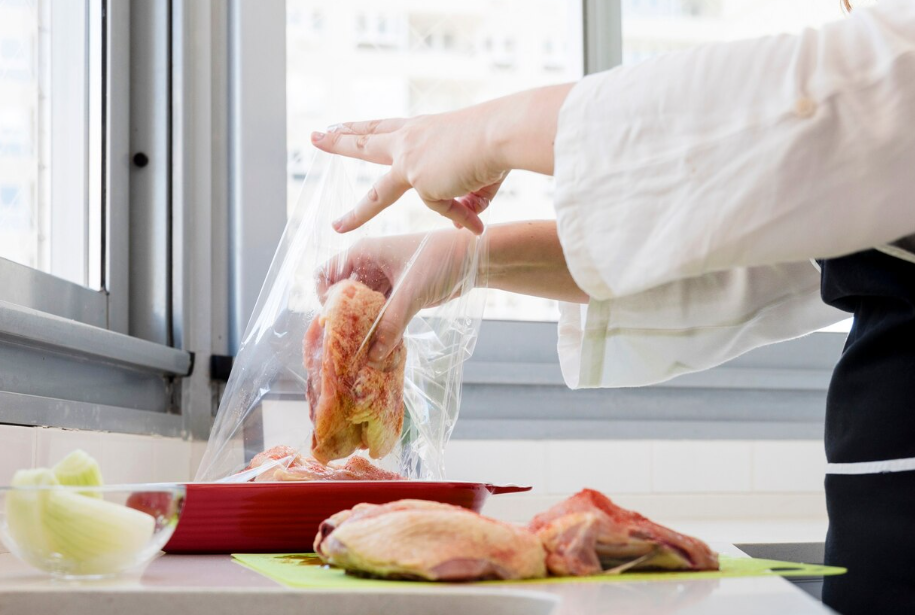
- Vacuum sealer or zip-top freezer bags: Keep food airtight and submerged. A water displacement method, where the bag is lowered slowly into water to displace air, works well for beginners.
- Finishing tools: A hot pan, grill, or kitchen torch is useful for searing meat after it’s cooked.
Once you’ve set up your tools, the process is hands-off primarily. Simply season, seal, submerge, and wait.
Step-by-Step: Cooking Sous Vide
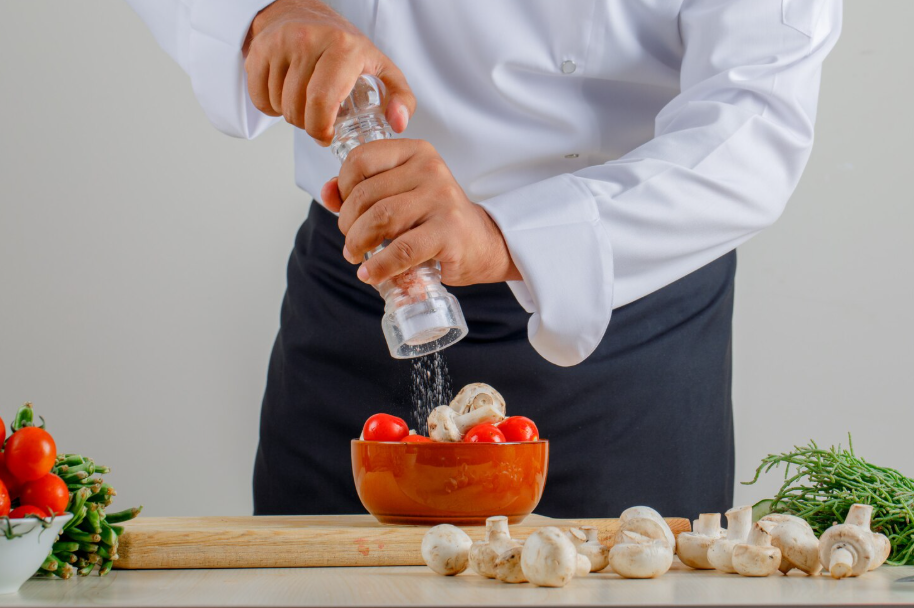
- Season and seal. Lightly season your meat, fish, or vegetables and place them in a vacuum-sealed or zip-top bag. Add herbs, butter, or aromatics for an extra layer of flavor.
- Set the temperature. Program your circulator to the desired doneness (for example, 130°F for medium-rare steak or 165°F for tender chicken).
- Submerge the bag. Clip it to the side of your container, ensuring it’s fully submerged and air-free.
- Cook and relax. Depending on the recipe, cooking can take from 30 minutes for fish to several hours for tougher meats.
- Finish with a sear. After cooking, remove the food from the bag, pat it dry, and sear it briefly in a hot pan for color and flavor.
For extra confidence at the final stage, see How to Tell When Meat Is Done—Without Cutting It Open.
Benefits of Sous Vide Cooking
The most significant advantage of sous vide is precision. You can achieve perfect meat doneness every single time. It’s also convenient: because the temperature is controlled, you don’t need to hover over the stove. Sous vide retains moisture and nutrients more effectively than traditional methods, resulting in meats that are juicy and vegetables that are vibrant.
It’s also incredibly forgiving. Even if you leave food in the bath for an extra hour, it won’t overcook. And because flavors stay sealed in the bag, even basic seasonings produce restaurant-quality results.
To level up your finishing technique, explore The Science of Searing: How to Lock in Flavor Like a Pro.
Getting Creative with Sous Vide
Once you master the basics, try experimenting. Cook eggs at different temperatures to explore textures from creamy to custardy. Infuse spirits with fruits or herbs for homemade cocktails. Even desserts, such as custards or cheesecakes, benefit from sous vide’s precise temperature control.
Sous vide unlocks a world of consistency and creativity, transforming your kitchen into a culinary laboratory. Whether you’re a beginner or a perfectionist, it’s a game-changing technique that makes flawless food not only possible but easy.