Herbs are one of the simplest ways to elevate your cooking, adding freshness, aroma, and complexity without relying on extra salt or fat.
Whether you’re tossing basil into pasta, finishing steak with thyme, or brightening soup with parsley, mastering herbs transforms everyday dishes into something extraordinary. Knowing when and how to use them makes all the difference.
Fresh vs. Dried: Knowing When to Use Each
Both fresh and dried herbs have a place in the kitchen, but they behave differently when exposed to heat. Fresh herbs deliver bright, aromatic notes best suited for finishing dishes. Dried herbs, on the other hand, have concentrated flavor that intensifies as they cook.
Use dried herbs early in the cooking process, such as during sautéing, simmering, or roasting, so they have time to rehydrate and release flavor. Add fresh herbs near the end or as a garnish to preserve their fragrance and color. A general rule of thumb: one tablespoon of fresh herbs equals about one teaspoon of dried.
If possible, grow your own herbs or buy them fresh in small bunches. They’ll last longer and taste more vibrant than those sitting for weeks in a grocery store package.
See Cooking with Seasonal Produce: What’s Fresh This Month for ideas on pairing herbs with the fruits and vegetables.
Pairing Herbs with Ingredients
Understanding which herbs complement which ingredients helps you make flavor combinations that feel effortless.
- Basil: Sweet and slightly peppery; pairs beautifully with tomatoes, pasta, and mozzarella.
- Thyme: Earthy and savory; ideal for meats, roasted vegetables, and stews.
- Rosemary: Strong and aromatic; works best with lamb, potatoes, or focaccia.
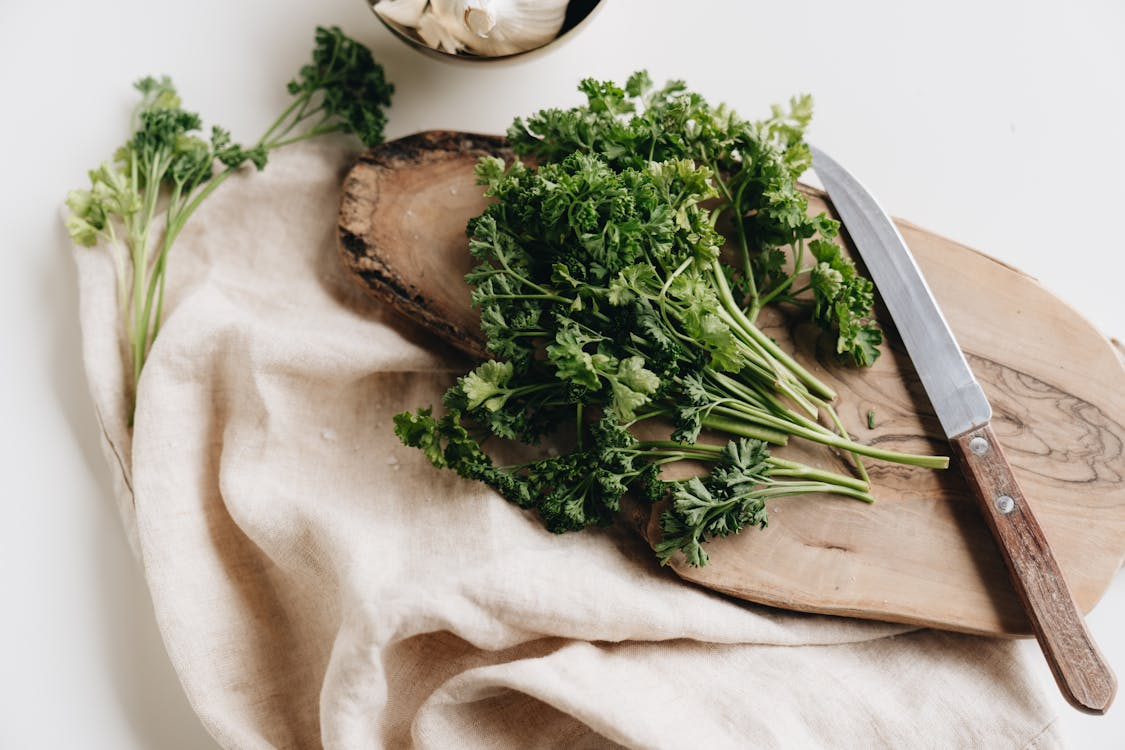
- Parsley: Clean and fresh; brightens soups, sauces, and seafood.
- Cilantro: Citrusy and bold; great for Mexican, Thai, and Indian dishes.
- Dill: Delicate and tangy; pairs with fish, yogurt sauces, and pickles.
- Oregano: Robust and slightly bitter; shines in Mediterranean and Italian recipes.
Experimenting with pairings builds confidence. A sprinkle of fresh mint on fruit, or chives over scrambled eggs, can completely change a dish’s personality.
Check out The Ultimate Guide to Spices: From Mild to Wild for a deeper dive on herbs and spices.
Techniques to Extract Maximum Flavor
To get the most from your herbs, use techniques that unlock their essential oils. Bruising, chopping, or tearing herbs releases aroma compounds that infuse your food with flavor. For herbs with woody stems, such as rosemary or thyme, strip the leaves before adding them to the dish.
Infuse oils, vinegars, or butter with herbs for long-lasting flavor. Warm olive oil with garlic and rosemary for a simple dipping sauce, or steep basil leaves in vinegar for homemade salad dressings. Herb butters are another chef’s favorite. Mix chopped herbs with softened butter and freeze in small portions to use on meat, vegetables, or bread.
For more flavorful, plant-forward meals, see Mediterranean Diet Staples You Should Keep in Your Pantry.
Balancing Herbs in Recipes
More isn’t always better. Overusing herbs, powerful ones like rosemary or sage, can overwhelm a dish. Aim for harmony. Herbs should support, not dominate. Combine a mix of soft (such as basil and parsley) and robust (like thyme and oregano) herbs for depth.
When using multiple herbs, introduce them gradually and taste as you go. Fresh herbs lose potency over time, so adjust amounts to suit your ingredients and cooking method.
See The Perfect Balance: How to Combine Sweet, Salty, Sour, and Umami to understand how herbs fit into the bigger picture.
Bringing It All Together
Cooking with herbs is about balance, intuition, and creativity. With just a handful of well-chosen leaves, you can transform an ordinary meal into something memorable.
Treat herbs as the finishing touch. Think of herbs as the moment that connects scent, taste, and texture, and your food will always taste fresh, alive, and beautifully complete.