
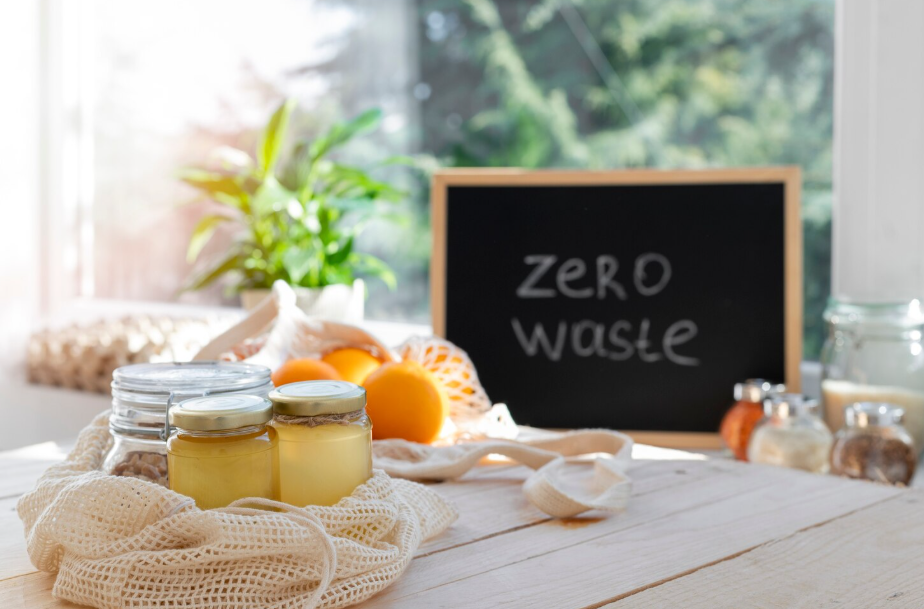
Cooking sustainably starts right at home. Every meal you prepare creates an opportunity to make small, eco-friendly choices that add up to a big difference: less waste, lower costs, and a healthier planet.
With a few practical eco-friendly kitchen tips, you can rethink how you shop, cook, and store food so you enjoy sumptuous meals while reducing your environmental footprint.
Rethink How You Shop
The first step toward a greener kitchen is mindful food shopping. Buy only what you need, and plan meals to prevent waste. Create a grocery list based on your recipes and check your pantry before heading out—this helps reduce impulse buys and duplicate ingredients.
Choose local and seasonal produce whenever possible. Food that travels fewer miles uses less fuel and is fresher, as well as more nutritious. Farmers’ markets and community-supported agriculture (CSA) boxes are great ways to support sustainable farming while enjoying peak-flavor ingredients.
Avoid excess packaging by bringing reusable produce bags and containers to the store. Buying in bulk is another excellent way to reduce plastic waste and save money.
Check out Healthy Swaps for Everyday Ingredients to make your recipes lighter and healthier.
Cook with Less Waste
Being eco-friendly in the kitchen doesn’t mean giving up flavor. It means using ingredients more efficiently.
- Use the whole ingredient. Save vegetable peels, herb stems, and bones for homemade broth. Citrus peels can be used to flavor vinegar or baked goods, and stale bread makes excellent croutons or breadcrumbs.
- Portion carefully. Cook only what you’ll eat or repurpose leftovers into new dishes. Roast extra vegetables for grain bowls or toss last night’s chicken into soup.
- Compost what you can. Food scraps, such as eggshells, coffee grounds, and fruit peels, decompose naturally, enriching the soil instead of ending up in landfills.
Even simple habits, such as covering pots to conserve energy or utilizing residual oven heat to warm another dish, can make a significant difference.
Choose Sustainable Tools and Materials
The products you cook with can also support sustainability. Swap disposable items for long-lasting alternatives:
- Reusable silicone baking mats instead of parchment paper.
- Beeswax wraps or reusable containers instead of plastic wrap.
- Glass storage jars for dry goods and leftovers. They’re durable and chemical-free.
Opt for cast iron, stainless steel, or wood utensils over non-recyclable plastic tools. When it’s time to replace something, look for eco-friendly brands that use recycled or biodegradable materials.
For help deciding which tools to buy, check out Kitchen Gadgets That Are Actually Worth Buying.
Store Smarter to Prevent Waste
Food storage plays a huge role in sustainability. Keep perishable foods visible and labeled so you remember to use them. Store herbs upright in water, greens in breathable bags, and grains or nuts in airtight containers.
The freezer is your best ally. Freeze leftovers, stock, and overripe fruit to use in smoothies. Organize your fridge by zones: place newer items at the back and older ones at the front. A quick weekly check helps you plan meals around what’s nearing expiration.
Don’t miss our Pantry Organization Tips That Save Time and Money for ideas on keeping ingredients accessible.
Make Sustainable Cooking a Lifestyle
Eco-friendly cooking isn’t about perfection; it’s about awareness and steady improvement. Start small by reducing plastic use or composting food scraps, then build from there. Over time, these habits save you money, conserve resources, and transform your kitchen into a space of creativity and responsibility.
Sustainability is about respect for your ingredients, your environment, and your future meals. Every mindful choice you make while cooking helps ensure there’s plenty for generations to come.