When it comes to cooking and storing food, bad habits and misinformation can do more than ruin a meal. They can make you sick. Food safety isn’t just for restaurants; it starts in your kitchen.
By understanding the truth behind common food safety myths, you can protect yourself, your family, and your food without unnecessary worry or waste.
Myth #1: You Can Tell If Food Is Safe by Smell or Look
It’s tempting to trust your senses, but appearance and smell aren’t reliable indicators of safety. Many harmful bacteria, like Salmonella and E. coli, don’t change the way food looks, smells, or tastes. A dish can seem perfectly fine yet still cause illness.
The real safeguard is time and temperature. Follow storage guidelines and always check expiration dates. When in doubt, use a thermometer or toss questionable food; it’s not worth the risk.
See How to Read Food Labels Like a Nutritionist for help spotting key dates and storage cues
Myth #2: You Should Wash Raw Meat or Poultry
This is one of the most widespread kitchen myths. Washing raw meat doesn’t remove bacteria. It actually spreads it. Rinsing can splash harmful microbes onto countertops, utensils, and other foods, increasing your risk of cross-contamination.
Instead, pat the meat dry with paper towels if needed and cook it to the correct internal temperature. Heat, not water, is what kills bacteria. Always clean cutting boards and knives immediately after handling raw meat.
Myth #3: Leftovers Are Safe as Long as You Reheat Them
Reheating kills bacteria, but only if food is handled correctly in between. Leaving leftovers out at room temperature for more than two hours allows bacteria to multiply quickly. Even reheating won’t fix food that’s been sitting too long.
Cool leftovers rapidly by dividing them into shallow containers before storing in the refrigerator. When reheating, make sure the internal temperature reaches at least 165°F (74°C) to ensure safety.
Check out Five Ways to Use Leftover Chicken Creatively for recipe ideas.
Myth #4: The “Five-Second Rule” Protects You
Unfortunately, the five-second rule is wishful thinking. The moment food comes into contact with a contaminated surface, bacteria transfer instantly—the type of surface and moisture content matter more than the passage of time. Wet foods, such as fruit, pick up germs more quickly than dry foods, like crackers.
The safest choice is to discard dropped food, especially on high-traffic or kitchen floors. It’s a small sacrifice for your health.
Myth #5: Freezing Food Kills All Bacteria
Freezing preserves food, but it doesn’t sterilize it. Bacteria go dormant at low temperatures and become active again when the food thaws. That’s why it’s essential to thaw safely. The preferred method is to thaw it in the refrigerator, not on the counter.
Also, remember that once thawed, food should never be refrozen unless it has been cooked first. Refreezing raw meat or fish can compromise texture and increase the risk of bacterial contamination.
See Kitchen Gadgets That Are Actually Worth Buying for tools that make safe cooking easier.
Myth #6: If It’s Vegetarian, It’s Automatically Safe
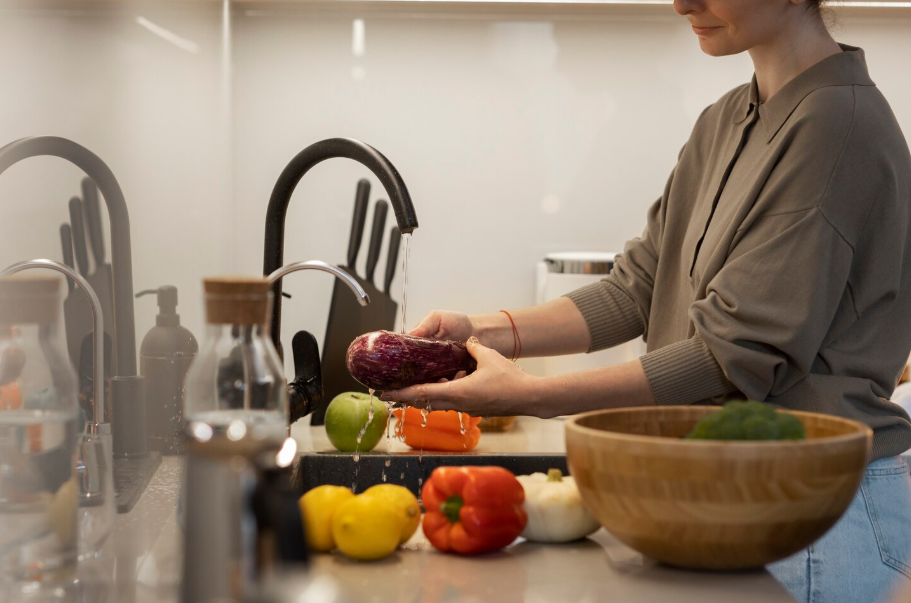
Plant-based foods aren’t immune to contamination. Leafy greens, sprouts, and even fruits can carry bacteria if they’ve been handled or washed improperly. Always rinse produce under running water. This should also be done with items that have peels, such as melons and cucumbers, to remove dirt and microbes.
Store cut fruits and vegetables in the refrigerator, and avoid using the same cutting board for raw meat and produce without thoroughly washing it first.
For cozy meat-free options, try Plant-Based Comfort Foods That Still Feel Indulgent.
Safe Cooking Is Smart Cooking
Food safety isn’t about fear; it’s about awareness. Understanding these myths helps you cook smarter, store food more effectively, and waste less without compromising your health. A clean workspace, proper temperatures, and a little caution go a long way toward keeping every meal safe and delicious.