Cooking a satisfying meal doesn’t have to mean juggling multiple pots and pans. Gourmet one-pan dinners simplify the process without sacrificing flavor, texture, or presentation.
With the right combinations of ingredients and techniques, you can create meals that look and taste like they came from a restaurant, all while keeping cleanup to a single pan.
Why One-Pan Cooking Works
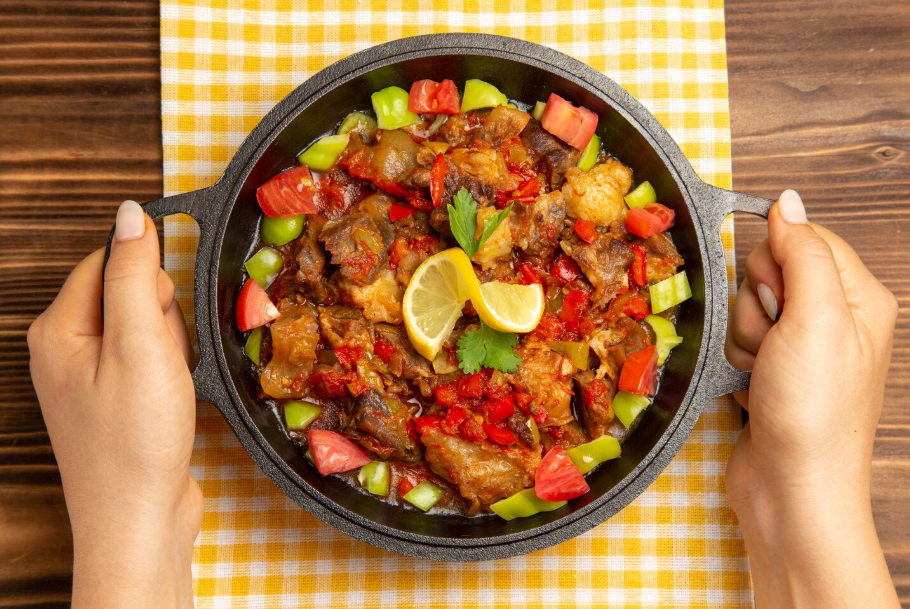
One-pan meals aren’t just convenient; they’re efficient and flavorful. When ingredients are cooked together in the same vessel, their juices and seasonings blend, naturally building complexity. Proteins, vegetables, and sauces share heat and flavor, turning a simple dish into something deeply satisfying.
This method also saves time on cleanup and makes weeknight cooking less stressful. Sheet pans, cast iron skillets, or oven-safe sauté pans all work beautifully for these types of dishes. The key is balance: choose ingredients that cook at similar speeds or stagger their addition so nothing ends up overdone.
Check out 15-Minute Meals for Busy Weeknights for additional quick dinner ideas.
Building the Perfect One-Pan Meal
Think of your pan as a stage for harmony between protein, starch, and vegetables. Each plays a crucial role in creating a complete and satisfying dish.
- Start with a good base. Olive oil, butter, or rendered fat from your protein helps brown ingredients and adds depth.
- Layer your flavors. Begin by searing proteins for color, then deglaze with wine, broth, or citrus to lift those caramelized bits from the bottom.
- Add your supporting cast. Vegetables and starches go in next. Arrange them so they cook evenly, and season generously.
- Finish strong. A sprinkle of herbs, a grating of cheese, or a squeeze of lemon brightens the entire dish just before serving.
See Budget Cooking: How to Eat Well Without Breaking the Bank for ideas on stretching these one-pan recipes
Gourmet One-Pan Ideas to Try
- Lemon Herb Chicken with Potatoes and Green Beans: Roast chicken thighs with baby potatoes and green beans tossed in olive oil, garlic, and lemon zest for a vibrant, balanced meal.
- Salmon with Asparagus and Dill Butter: Bake salmon fillets beside asparagus spears, finishing with melted butter, dill, and a squeeze of lemon for a light yet decadent dinner.
- Sausage and Peppers Skillet: Sear sausage slices, then toss in onions, bell peppers, and a splash of balsamic vinegar for an Italian-inspired favorite.
- Vegetarian Sheet Pan Fajitas: Roast mushrooms, peppers, and onions with taco seasoning, then serve with warm tortillas and guacamole for a hearty, plant-based twist.
- Garlic Shrimp and Cherry Tomatoes: Cook shrimp with tomatoes and spinach in a skillet, finish with white wine and parsley, and serve over couscous or pasta.
These recipes rely on layering and timing rather than complexity. Each ingredient shines while contributing to the collective flavor.
Tips for One-Pan Success
Don’t overcrowd your pan—airflow and space ensure proper browning instead of steaming. When baking, line your sheet pan with parchment paper for easier cleanup and crispier textures. Cast iron or stainless steel pans are best for stovetop-to-oven transitions, helping ingredients caramelize beautifully.
Finally, embrace leftovers. Many one-pan dishes taste even better the next day as the flavors continue to blend, making them ideal for meal prep.
To capture every bit of flavor in one plan, learn How to Deglaze a Pan (and Why It’s a Secret Flavor Weapon).
Effortless Cooking, Elevated Results
One-pan dinners prove that convenience and sophistication can coexist. With a few simple ingredients and mindful layering, you can create meals that are both easy to make and impressive to serve. Less time cooking means more time savoring, and that’s gourmet living at its best.