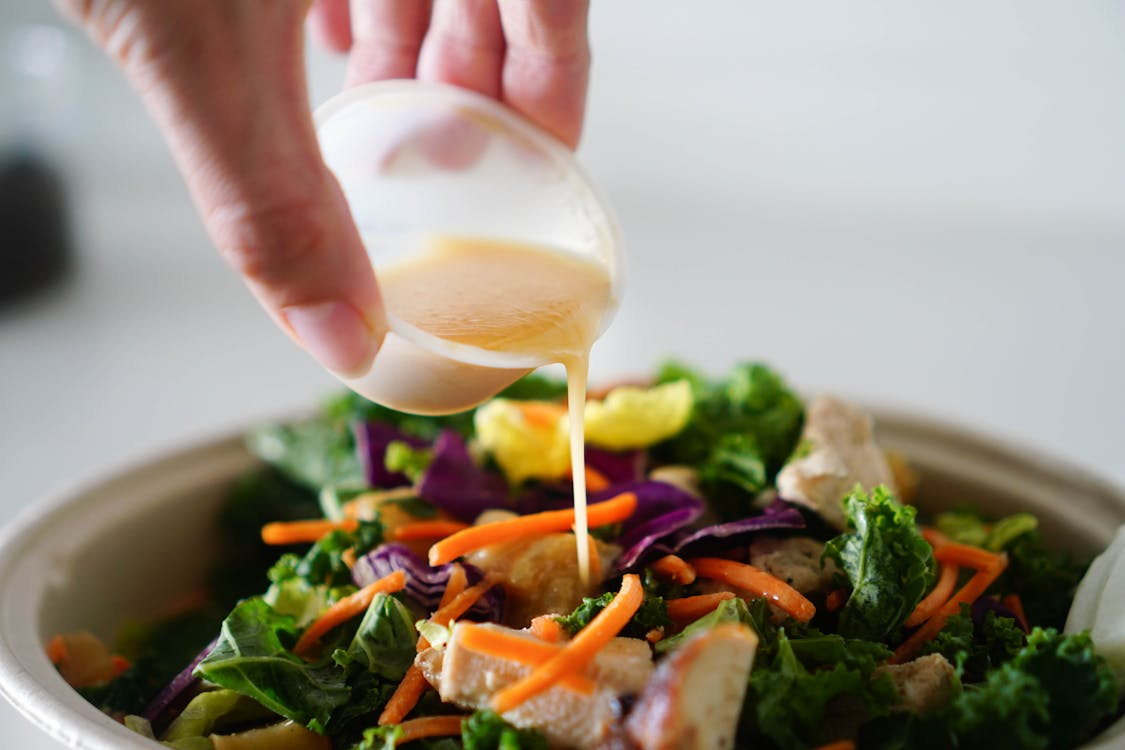
A great salad starts with a great dressing, and the best ones are usually simple homemade salad dressing recipes. While bottled versions are convenient, most contain preservatives, excess sugar, and cheap oils that dull the fresh flavor of your greens. Homemade salad dressings, on the other hand, are quick to make, endlessly customizable, and far more nutritious.
With just a few ingredients, you can create restaurant-quality dressings that elevate any meal.
Why Homemade Always Wins
Homemade dressings have one significant advantage: the ability to control the ingredients. You decide the balance of flavors, the quality of oil, and the amount of salt or sugar. Fresh ingredients mean brighter taste, better texture, and fewer additives. Plus, they’re budget-friendly; most can be made in under five minutes using pantry staples.
Store-bought dressings often rely on stabilizers and emulsifiers to maintain consistency. At home, you can achieve a creamy texture naturally by using proper mixing techniques. No artificial ingredients are required. Once you taste the difference, it’s hard to go back.
To fine-tune dressing flavor, check out The Perfect Balance: How to Combine Sweet, Salty, Sour, and Umami.
The Basic Formula for Success
Nearly every great dressing follows a simple ratio: 3 parts oil to 1 part acid. The oil provides richness, while the acid, such as vinegar, citrus juice, or even yogurt, adds brightness and tang. From there, you can customize endlessly with herbs, spices, mustard, or honey.
Start with this classic vinaigrette base:
- 3 tablespoons extra virgin olive oil
- 1 tablespoon vinegar or lemon juice
- 1 teaspoon Dijon mustard
- Salt and pepper to taste
Whisk or shake in a jar until smooth. For a creamier texture, add Greek yogurt, tahini, or mashed avocado.
See Cooking Oils Demystified: Which to Use for Frying, Sautéing, and Baking to choose the best oil for your dressings
Delicious Homemade Dressing Ideas
- Lemon Herb Vinaigrette: Olive oil, lemon juice, Dijon mustard, garlic, and a mix of parsley and thyme. Bright, fresh, and perfect for green salads.
- Honey Balsamic: Combine balsamic vinegar, olive oil, honey, and black pepper for a sweet-tart blend that pairs well with roasted vegetables or fruit-topped salads.
- Creamy Greek Yogurt Ranch: Mix Greek yogurt, olive oil, lemon juice, garlic powder, and dill for a tangy, protein-rich version of a classic favorite.
- Tahini-Lemon Dressing: Tahini, lemon juice, olive oil, and garlic blend into a smooth, nutty sauce great for grain bowls or falafel.
- Asian Sesame Dressing: Combine rice vinegar, soy sauce, sesame oil, ginger, and a touch of honey for a flavorful dressing ideal for cabbage or noodle salads.
Each can be whisked in a bowl or shaken in a sealed jar—no blender required.
How to Make Dressings Last
Homemade dressings typically last up to one week in the fridge. Store them in airtight glass jars and shake before each use to re-emulsify. Avoid adding fresh garlic or dairy if you plan to keep them for longer, as these shorten the shelf life.
If you want to prep ahead, make a few small batches with different flavor profiles so your salads never feel repetitive. A citrus vinaigrette for lunch, a creamy ranch for wraps, and a sesame dressing for grain bowls can keep your meals exciting all week.
For simple ways to layer fresh herbs, check out Cooking with Herbs: How to Maximize Flavor Naturally.
Flavor, Freshness, and Freedom
Homemade dressings don’t just make salads taste better; they make eating healthy effortless. When you control the ingredients, you control the flavor, texture, and nutrition.
A simple jar of olive oil, vinegar, and herbs can turn ordinary greens into something crave-worthy. Once you start whisking your own, you’ll wonder why you ever bought a bottle.