These three techniques—sautéing, pan-frying, and stir-frying—might look similar at first glance, but each has its own distinct purpose, temperature range, and ideal ingredients.
Understanding saute vs pan fry vs stir fry is key to mastering texture and flavor in your cooking. Once you know which method to use and when, your dishes will turn out crisp, tender, and perfectly cooked every time.
Sautéing: Quick, Light, and Full of Flavor
Sautéing originates from the French word sauter, meaning “to jump,” which refers to the way food moves in the pan. It’s all about high heat, minimal fat, and fast cooking. You typically sauté small, uniformly cut pieces of food. Think vegetables, shrimp, or thin chicken cutlets. The goal is to brown the outside lightly while keeping the interior tender.
Use just enough oil or butter to coat the bottom of the pan, and gently move the food with a spatula or by shaking the pan. This constant motion prevents burning and ensures even browning. Sautéing works best with stainless steel or nonstick pans, and since the cooking time is short, it’s ideal for quick weeknight meals or delicate ingredients.
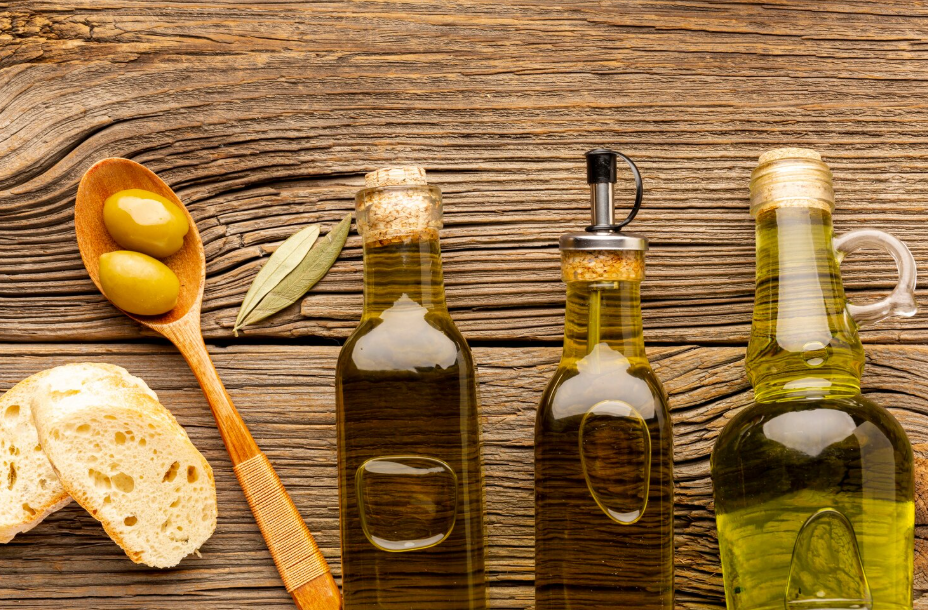
See Cooking Oils Demystified: Which to Use for Frying, Sautéing, and Baking for help choosing the right fat.
Pan-Frying: Crisp on the Outside, Juicy Inside
Pan-frying uses more oil than sautéing, enough to cover the food halfway up its sides, but less than is used in deep-frying. The temperature is usually moderate to medium-high, allowing the exterior to turn golden and crisp while the inside cooks gently. This makes it perfect for breaded or battered foods, such as chicken cutlets, pork chops, fritters, or even tofu.
The key to success in pan-frying is maintaining the correct oil temperature. Too cool, and the food absorbs oil, becoming greasy; too hot, and the crust burns before the interior cooks through. A good target is 325°F–375°F (165°C–190°C). Use a heavy skillet or cast-iron pan for consistent heat, and flip the food only once to maintain that crisp crust.
To build big flavors, check out How to Deglaze a Pan (and Why It’s a Secret Flavor Weapon).
Stir-Frying: Speed and Heat in Motion
Stir-frying is a hallmark of Asian cooking, performed in a wok over very high heat. The goal is to cook small pieces of food quickly while preserving color, crunch, and flavor. Because of the wok’s shape, ingredients are constantly moved and exposed to intense, direct heat.
The trick is preparation. Everything should be cut evenly and ready to go before you start cooking. Add ingredients in stages: start with aromatics (such as garlic and ginger), then proteins, then vegetables, and finally sauces or seasonings. Each addition should take just seconds to minutes. The result is a balanced dish with layers of texture and taste that comes together in minutes.
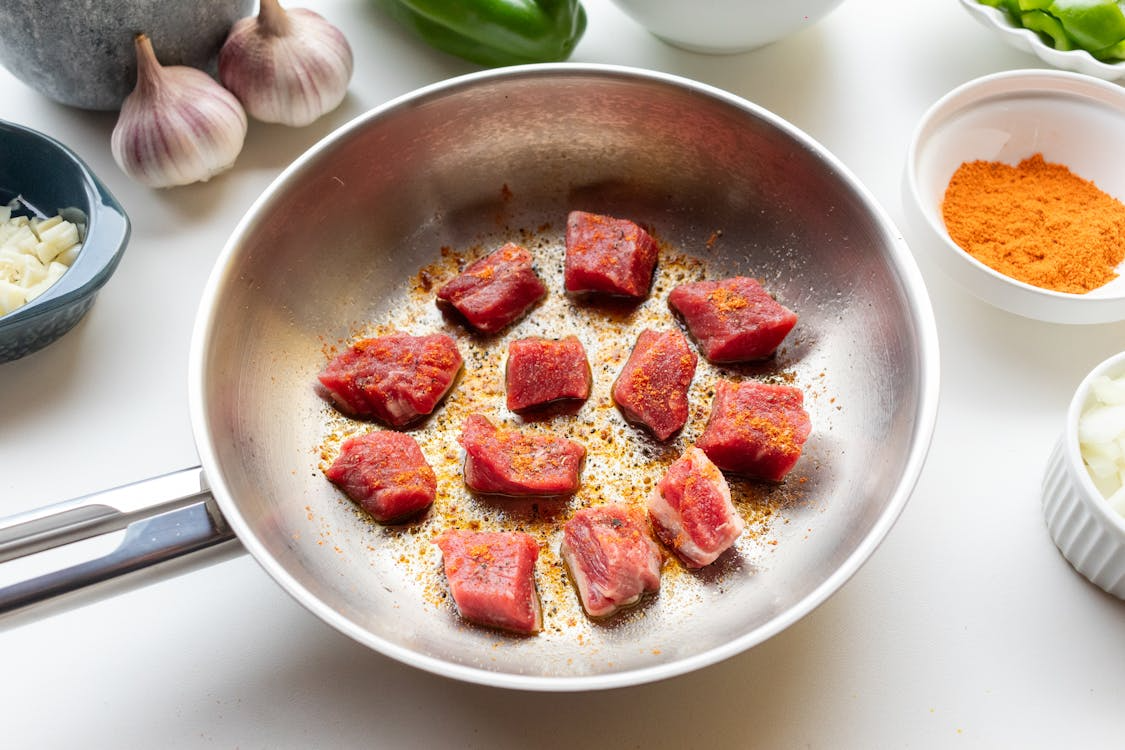
For pro-level browning, explore The Science of Searing: How to Lock in Flavor Like a Pro.
Choosing the Right Technique
If you’re unsure which method to use, consider the texture and the amount of time you want. For lightly cooked vegetables or thin meats, sautéing delivers speed and brightness. For breaded items that require a crunchy texture, pan-frying is your best option. And when you want a quick, colorful stir of flavors, nothing beats stir-frying.
The amount of oil, heat level, and cooking time may vary, but all three techniques rely on one common principle—heat control. Mastering that control turns an average cook into a confident one, capable of achieving perfect doneness and depth of flavor every time.
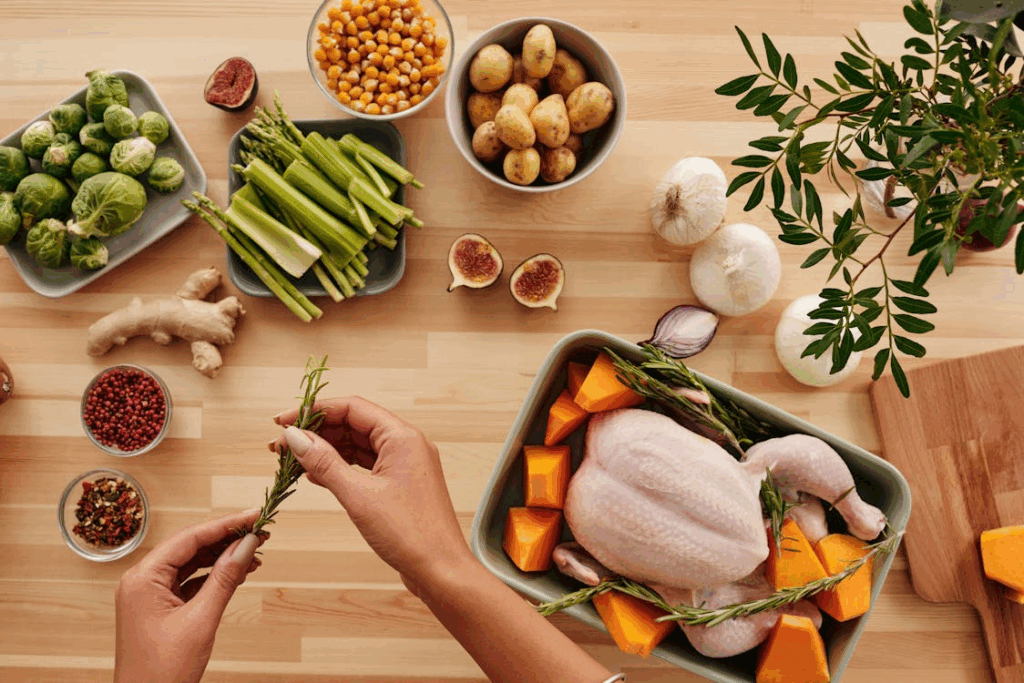
Check out Knife Skills 101: How to Slice, Dice, and Mince Like a Chef so your ingredient prep matches your cooking technique.